
Resources
Home Nursing Resources, Written by a Registered Nurse
These home nursing resources exist for one reason: the questions families ask us most are the ones that arrive at the worst possible moment, after a diagnosis, before a surgery, the week a parent suddenly cannot manage alone. This is where we answer them, in plain language, before you are in the middle of it.
Every guide here is written by Bianca Fabbo, MSN-ed, RN, AMB-BC, and grounded in clinical sources rather than opinion. Think of it as the library of concierge nursing guides we wish every family had on hand earlier. The collection is organized into four areas, each one a question we hear in nearly every consultation.
RN-led care
A registered nurse leads every client
Multi-credential team
RN, RDN, PharmD, and Nurse Educator
Ten communities
Scottsdale, Phoenix, and the East Valley
Founder-led
Bianca Fabbo, MSN-ed, RN, AMB-BC
Guides and resources


Your nurse
Why these guides exist, and who writes them
Most health information online is written to attract clicks, not to help a family make a decision under pressure. We took the opposite approach. These resources are short where they can be, thorough where it matters, and built around the actual questions people bring to us: what care is possible at home, how recovery really goes, when independence needs support, and how to keep a chronic condition from becoming an emergency.
- Written by Bianca Fabbo, MSN-ed, RN, AMB-BC, not an anonymous content team
- Grounded in clinical sources (NIH, AHRQ, ANA, CDC), not opinion
- Built around the questions families actually ask in consultations
- Updated as guidance and our own clinical practice evolve
Every piece carries a registered nurse's byline because authorship matters in healthcare. Bianca leads clinical care for Prata Health clients every week, so these are not summaries of summaries. They reflect what an RN actually watches for, decides, and coordinates in a real home. Where we make a clinical point, we cite a reputable source so you can verify it yourself.

Concierge Nursing
Start here if you are still deciding what a concierge nurse is and whether your family needs one. This cluster of concierge nursing guides explains the RN-led model, how it differs from a traditional agency that assigns caregivers with occasional oversight, what a nurse on your team actually does day to day, and how to tell the difference between marketing and real clinical depth when you are comparing options.
What concierge nursing is, and what it is not
RN-led care versus a caregiver roster with occasional oversight
Health navigation
what a nurse advocate does for a new or complex diagnosis
Questions to ask before you hire any private nurse
Post-Surgery Recovery
Recovering at home after plastic, orthopedic, cardiac, or neurology surgery goes better with a nurse watching for the early signs of trouble. These guides walk through what a safe recovery looks like, how incision and wound care actually works, how to manage pain and medication without losing track, and the specific warning signs that mean it is time to call. Coordinated, attentive recovery care is associated with fewer avoidable readmissions, which is the whole point.
- What to expect recovering at home after surgery
- Wound and incision care, and the signs of infection to watch
- Pain and medication management without the guesswork
- When to call your nurse, and when to call your surgeon
Aging in Place
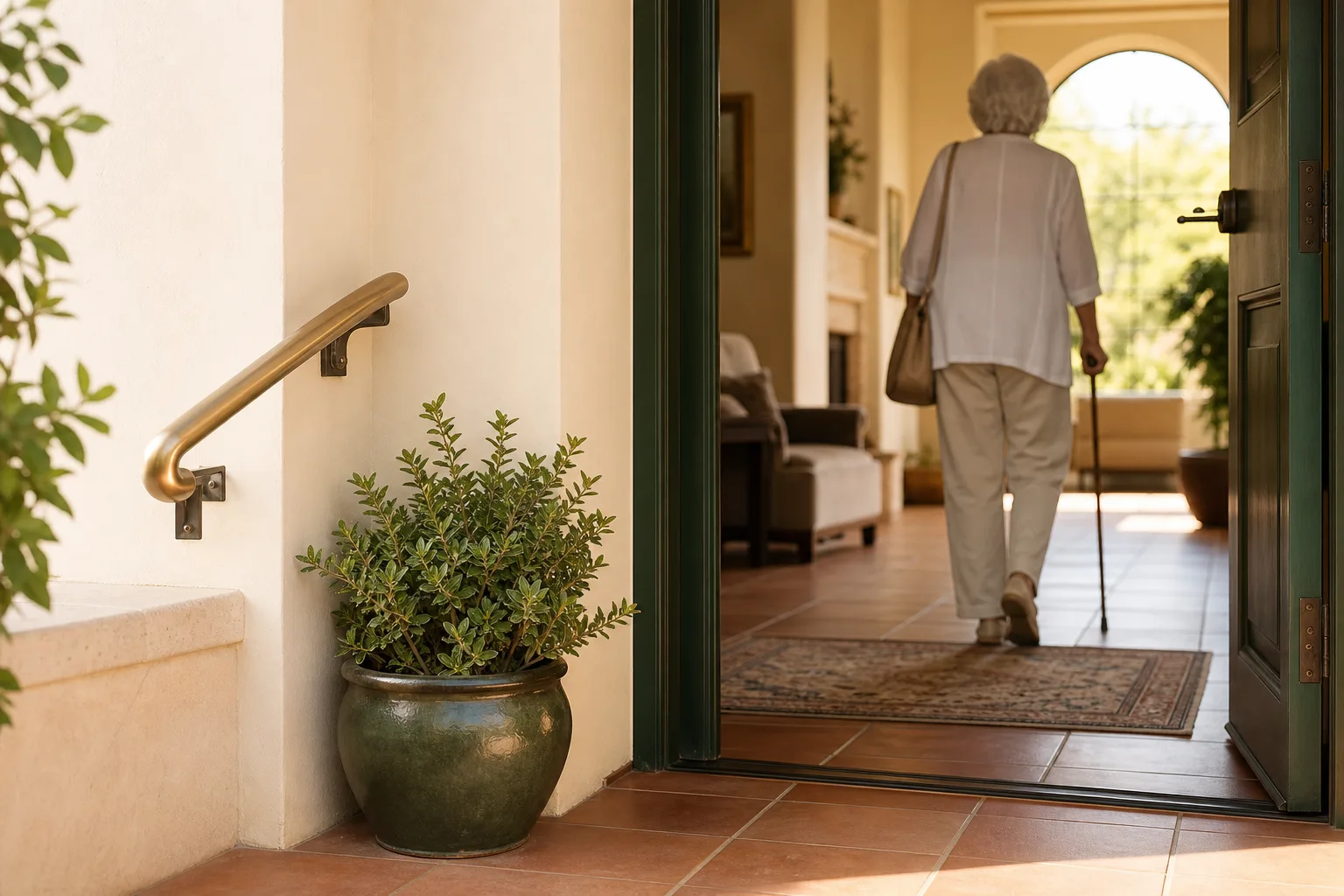
Most older adults want to grow older in their own home rather than move to a facility, and with the right support, many safely can. This cluster covers how to make a home safer, how to spot the early changes that signal needs are shifting, how nutrition and medication routines quietly determine independence, and how a nurse helps a family extend the years a parent stays at home without anyone running on fear.
Home safety and fall-risk reduction
The early signs that a parent's needs are changing
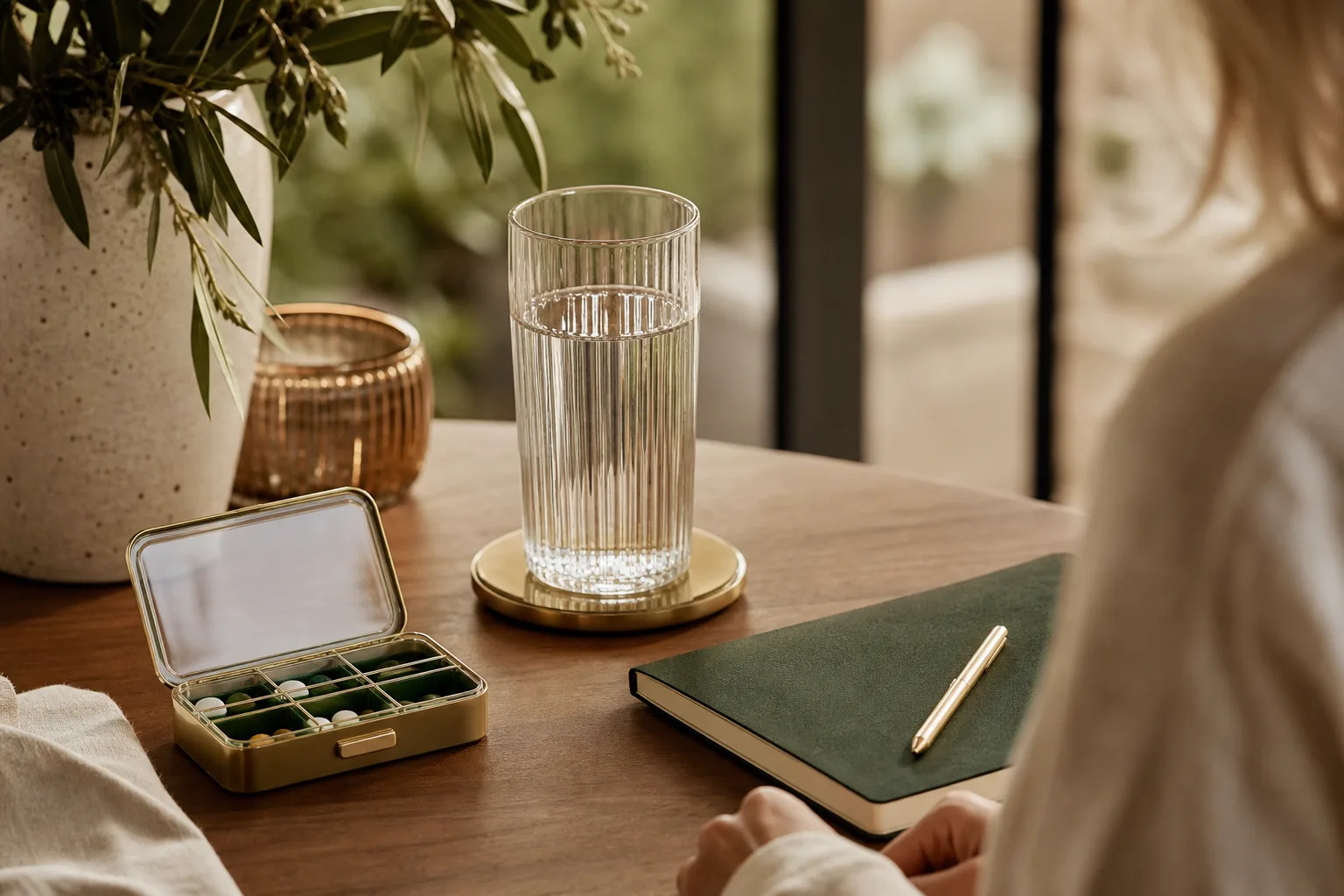
Medication routines and nutrition as the quiet drivers of independence
How a nurse helps families plan ahead instead of reacting
Chronic Condition Management
Conditions like heart failure, COPD, and diabetes are managed day to day at home, not just at the quarterly clinic visit. These guides explain how daily monitoring and medication management keep a stable condition stable, what the early warning signs of decline look like for each condition, and how the steady, watchful attention of a nurse keeps small problems from turning into emergency room visits.
- Managing heart failure, COPD, and diabetes at home
- Daily monitoring and what the numbers are telling you
- Medication management and why reconciliation prevents hospital trips
- Early warning signs that mean it is time to act
Where to go from here
If you already know what you are facing, go straight to the cluster that fits and start reading. If you are not sure yet, the Concierge Nursing guides are the best front door, they explain the model that ties everything else together. And if your family is past the research stage and into a decision, you do not need another article. You need a nurse. Reach out and we will talk through your situation honestly, with no pressure to commit before you are ready.
Questions, answered
Frequently asked
Not listed here? Call 480-404-4737 and ask.
Who writes the guides in this resource library?
Every guide is written and reviewed by Bianca Fabbo, MSN-ed, RN, AMB-BC, the founder of Prata Health and the registered nurse who leads clinical care for our clients. In healthcare, who wrote something matters as much as what it says, so we put a real nurse's name and credentials on every piece rather than publishing anonymous content. Where we make a clinical point, we cite a reputable source such as the NIH, AHRQ, the American Nurses Association, or the CDC.
How are these home nursing resources organized?
The library is grouped into four clusters that mirror the questions families ask us most: Concierge Nursing (understanding the RN-led model), Post-Surgery Recovery (healing safely at home), Aging in Place (helping a parent stay home longer), and Chronic Condition Management (keeping conditions like heart failure, COPD, and diabetes stable day to day). Each cluster has a pillar guide and supporting articles you can read in any order.
Are these guides a substitute for talking to a nurse or doctor?
No. These resources are written to inform and prepare you, not to diagnose or treat. Every situation is specific, and the right plan depends on details only a clinician who knows your case can weigh. Use the guides to understand your options and ask better questions, then talk with your physician or request a consultation with us for guidance tailored to your family.
Which cluster should I read first?
If you are early in the process and still deciding whether you need in-home nursing at all, start with the Concierge Nursing guides, they explain the model that the other three clusters build on. If you are facing a specific event, go straight to the cluster that fits: an upcoming surgery, an aging parent, or a chronic diagnosis. You do not have to read in order.
Sources
- National Institute on Aging (NIH), Aging in Place: Growing Older at Home link
- Agency for Healthcare Research and Quality (AHRQ), Readmissions and Adverse Events After Discharge link
- Agency for Healthcare Research and Quality (AHRQ), Medication Reconciliation link
- American Nurses Association, Scope of Nursing Practice link
- Centers for Disease Control and Prevention (CDC), Older Adult Falls Data link
Explore more
Begin with a conversation
Let's talk about the care your family needs.
A consultation is a conversation, no obligation. We listen first, then build the plan around you.