
Concierge Nursing in Scottsdale
Skilled Nursing Care at Home, Led by a Registered Nurse
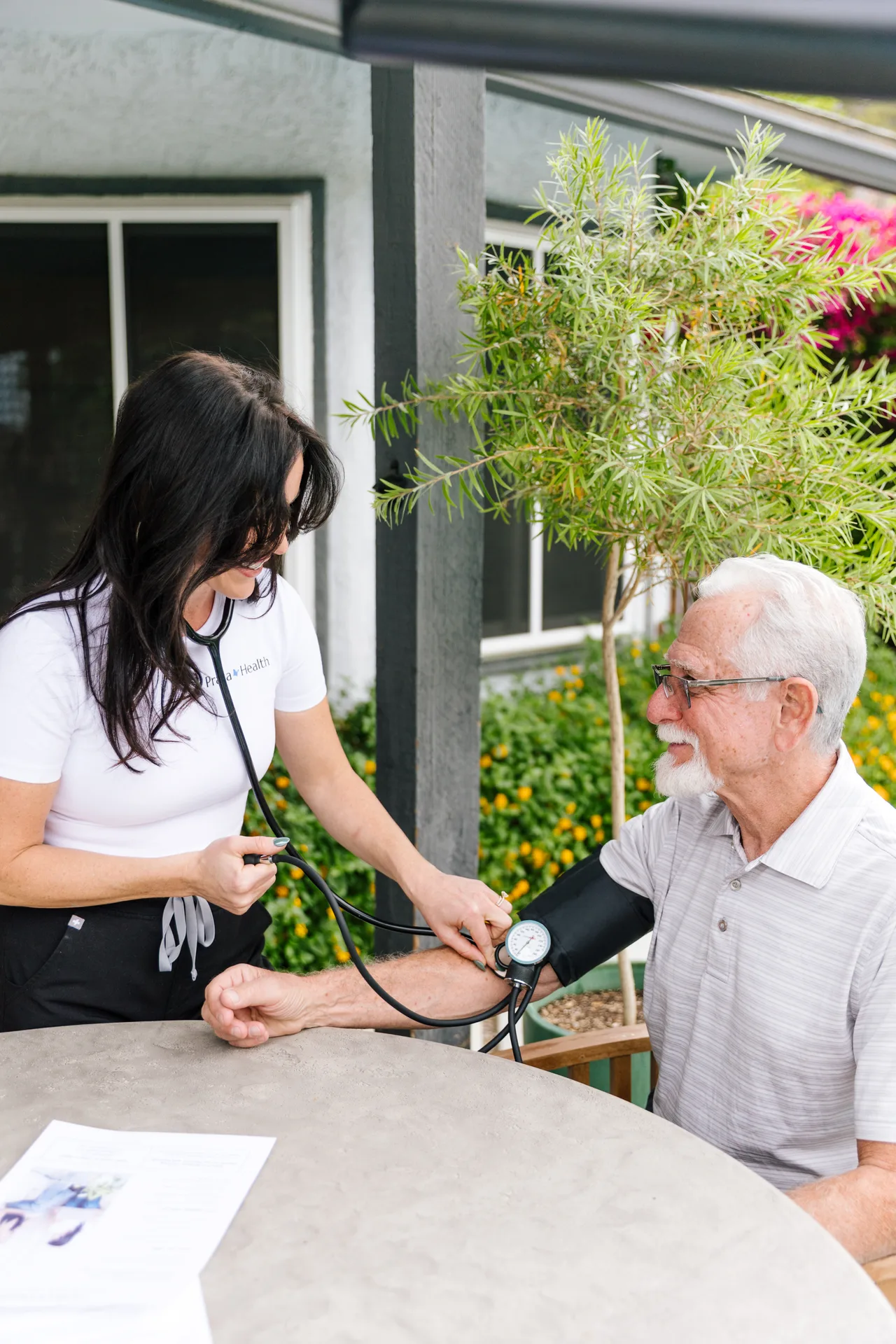
Skilled nursing care at home is clinical care that once meant a hospital bed or a facility, now delivered where you actually want to recover: your own home. At Prata Health, a registered nurse leads it. That means wound care from a nurse at home, careful medication management, IV antibiotic therapy and hydration support, and close monitoring through a post-acute recovery, all in one place and from one nurse who knows your history.
For families
This is in-home skilled nursing built around the person, not a benefit period. Your RN assesses what each day requires, performs the clinical work herself or under her direct plan, and adjusts as you heal. The goal is simple: the level of care a facility provides, without leaving the people, comfort, and rest that make recovery faster.
RN-led care
A registered nurse leads every client
Multi-credential team
RN, RDN, PharmD, and Nurse Educator
Ten communities
Scottsdale, Phoenix, and the East Valley
Founder-led
Bianca Fabbo, MSN-ed, RN, AMB-BC
What skilled nursing care at home includes
Skilled nursing is clinical work that requires a licensed nurse's training and judgment, not companionship or housekeeping. It is the care you would otherwise receive in a hospital or a skilled nursing facility, brought into the home and held to the same standard.
Every client's plan is led by a registered nurse, who decides what level of care each day calls for and performs or directs the hands-on work. Below is the clinical scope we provide at home.
Comprehensive nursing assessment and ongoing monitoring of vitals and recovery
Wound care and post-surgical incision care from a nurse at home
Medication management and reconciliation, including new and changed prescriptions
IV antibiotic therapy and hydration support
Post-acute recovery monitoring after a hospital stay or surgery
Chronic condition oversight (heart failure, COPD, diabetes) within the care plan
Early detection of complications, with a direct line to your nurse, not a call center
Coordination with your physicians, specialists, and pharmacy
Care delivered wherever you need it
at home, in the hospital, or while traveling, around the clock or by the hour
Who it's for
Who in-home skilled nursing is for
Most people who come to us are at a point where the care they need has outgrown what family can safely provide, but a facility is the last place they want to be. They want to heal in their own bed, on their own schedule, with a nurse who actually knows them.
If you are weighing a skilled nursing facility against staying home, this service is the bridge. The clinical care travels to you.
Patients discharged from the hospital who need skilled care during recovery
People recovering from surgery who want post-acute care at home, not in a facility
Anyone with a wound, surgical incision, or drain that needs professional wound care
Clients managing a complex medication regimen who need a medication management nurse
Families caring for an aging parent whose needs have moved from help to clinical care
People managing a chronic condition who keep cycling back to the emergency room
Wound care and medication management, done right
Two of the most common reasons recovery stalls at home are wounds that are not dressed and assessed correctly and medications that quietly conflict or get missed. Both are squarely a nurse's job, and both are where an RN-led model earns its keep.
A nurse at home does more than change a dressing. She assesses the wound at every visit, watches for the early signs of infection, manages drains and surgical sites, and escalates to your physician the moment something looks wrong. Surgical site infections are a known and serious post-operative risk, and trained nursing assessment is one of the clearest ways to catch them before they become an emergency.
On the medication side, your RN acts as a medication management nurse: reconciling every prescription across every prescriber, flagging dangerous interactions and duplications, and making sure doses are taken correctly. Adverse drug events are a leading and largely preventable cause of hospitalization in older adults, and accurate reconciliation is one of the most effective defenses against them.
The process
How it works
There is no intake script and no fixed package. We start by understanding the medical situation and what recovery looks like for you, then your nurse takes ownership of the clinical care and stays with you as you heal.
- 01
Consultation
we review the diagnosis, the discharge orders, and what care is needed
- 02
Care plan
your RN sets the clinical plan, the visit cadence, and what to watch for
- 03
Hands-on care
wound care, medication management, IV antibiotic therapy, hydration, and monitoring
- 04
Ongoing adjustment
as you recover, the level of care steps up or down to match
Why an RN
Why an RN leading the care changes the outcome
Many home care arrangements assign a caregiver and add a nurse's visit now and then. That works for companionship. It does not work for skilled nursing, where the difference between a stable recovery and a hospital readmission often comes down to a clinical judgment made in the moment.
At Prata Health, a registered nurse leads every client and stays the constant through the whole recovery. When a wound looks different than it did yesterday, when a new medication arrives, or when a vital sign drifts, the person responding is a clinician who can read it correctly and act. Skilled care at home is only as good as the judgment behind it.
See it for your family
Ready to talk it through?
A consultation is a conversation, no obligation. We listen first.
Your nurse
One clinician on your side of the table
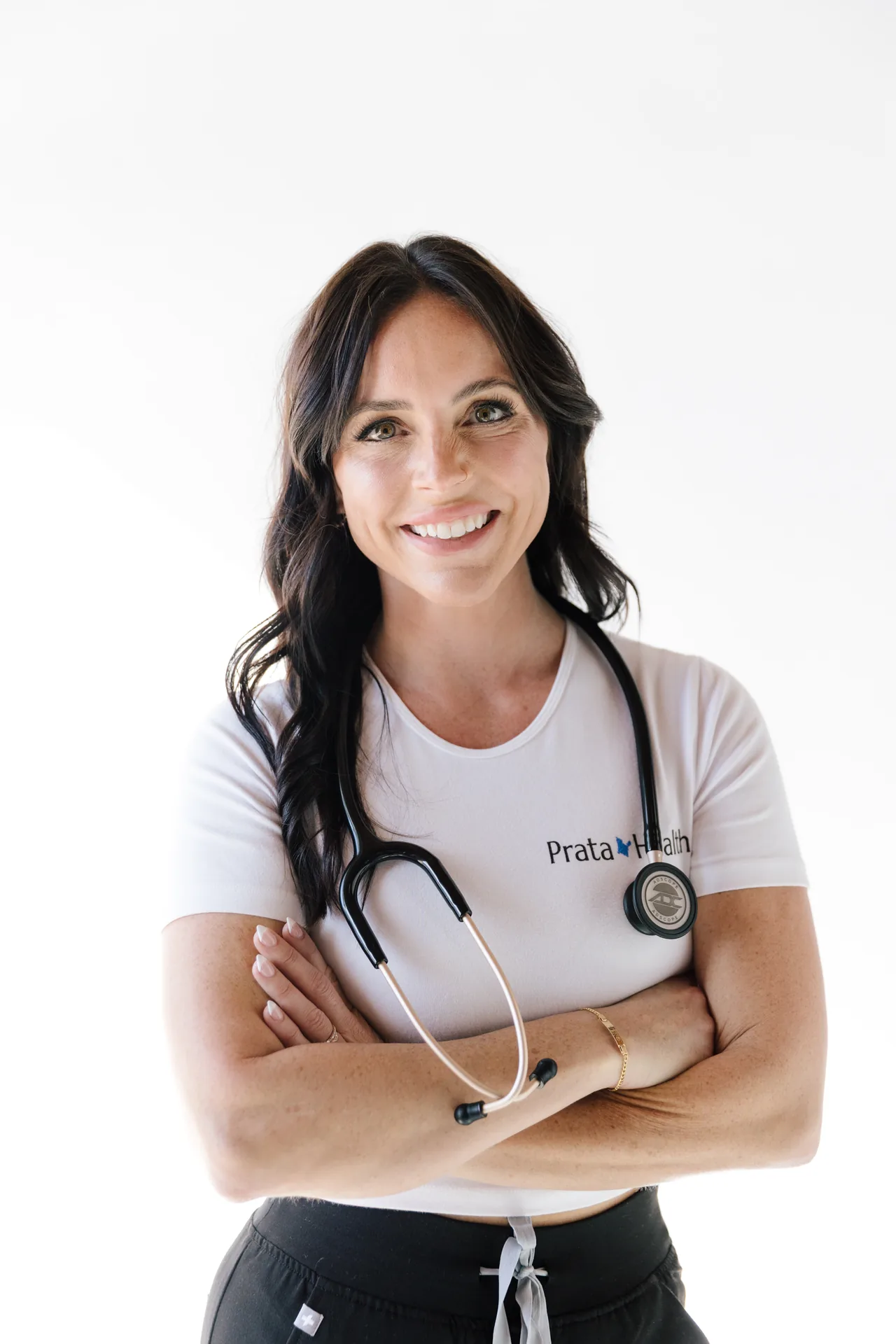
Bianca Fabbo, RN, MSN-ed, AMB-BC, is the President and Founder of Prata Health and the registered nurse who personally leads each client's care. She is the concierge nurse founder Scottsdale families turn to when the healthcare system has become too much to manage alone: a clinician who learns the whole picture, sits in on the appointments, coordinates the specialists, and stays.
- MSN-ed: a master's-level education in nursing.
- RN: licensed Registered Nurse, qualified to deliver skilled clinical care in the home.
- AMB-BC: board certification in ambulatory care nursing through the American Nurses Credentialing Center.
Questions, answered
Frequently asked
Not listed here? Call 480-404-4737 and ask.
What is skilled nursing care at home, and how is it different from a caregiver?
Skilled nursing care at home is clinical care that requires a licensed nurse, such as wound care, medication management, IV antibiotic therapy and hydration support, and post-acute recovery monitoring. A caregiver helps with daily living: bathing, meals, companionship, mobility. They are different roles. A caregiver cannot assess a wound, reconcile your medications, or judge whether a change in your condition needs a same-day call to your doctor. At Prata Health, a registered nurse leads the clinical care, so you get a facility's level of skilled nursing in your own home.
What level of skilled nursing can you actually provide in the home?
More than many families expect. Our registered nurses provide comprehensive assessment and monitoring, wound and post-surgical incision care, medication management and reconciliation, IV antibiotic therapy and hydration support, post-acute recovery monitoring, and chronic condition oversight for conditions like heart failure, COPD, and diabetes. We are clear about our scope, and IV care is delivered as part of clinical treatment, not a standalone wellness drip. Your nurse determines the right level of care each day and adjusts as you recover.
Do you provide wound care and IV at home?
Yes to wound care, and yes to IV antibiotic therapy. A nurse at home assesses the wound at every visit, manages dressings, surgical sites, and drains, watches for early signs of infection, and coordinates with your surgeon or physician. For infusions, we provide IV antibiotic therapy and hydration support. We are clear about our scope and will tell you plainly if a need falls outside it so you are never left guessing.
How is Prata Health different from a home health agency?
Traditional home health typically sends brief, task-based visits for a limited, insurance-driven period after a hospital stay, often with a different person each time. Prata Health gives you a dedicated registered nurse who leads your care, knows your full history, and stays the constant through your whole recovery. You have a direct line to your nurse, not a rotating roster and a call center. That continuity is what makes recovering at home safer than it sounds.
How much does skilled nursing care at home cost?
Cost depends on the level of care, the visit cadence, and how your needs change as you recover, so we provide pricing after a consultation rather than a single published rate. Skilled nursing at home is a private-pay service, which is exactly what allows the continuity and dedicated attention that benefit-limited home health cannot offer. We will give you a clear, honest picture of what your care would involve and what it would cost before any care begins.
Is there a minimum or long-term commitment?
We build the engagement around your recovery, not a fixed contract. Many clients need intensive skilled nursing through a surgery or a hospital discharge, then step the care down as they heal. Others need a nurse on their team for the long term. We will talk through the right structure during your consultation and scale the care up or down as your situation changes.
Still deciding
Ready to talk it through?
A consultation is a conversation, no obligation. We listen first.
Sources
- Medicare.gov, Skilled Nursing Facility (SNF) Care link
- Centers for Disease Control and Prevention (CDC), Surgical Site Infection (SSI) link
- Agency for Healthcare Research and Quality (AHRQ), Patient Safety Network: Medication Reconciliation link
- Agency for Healthcare Research and Quality (AHRQ), Patient Safety Network: Readmissions and Adverse Events After Discharge link
- Arizona State Board of Nursing, Nurse Practice Act (A.R.S. Title 32, Chapter 15) link
Explore more
Begin with a conversation
Let's talk about the care your family needs.
A consultation is a conversation, no obligation. We listen first, then build the plan around you.